
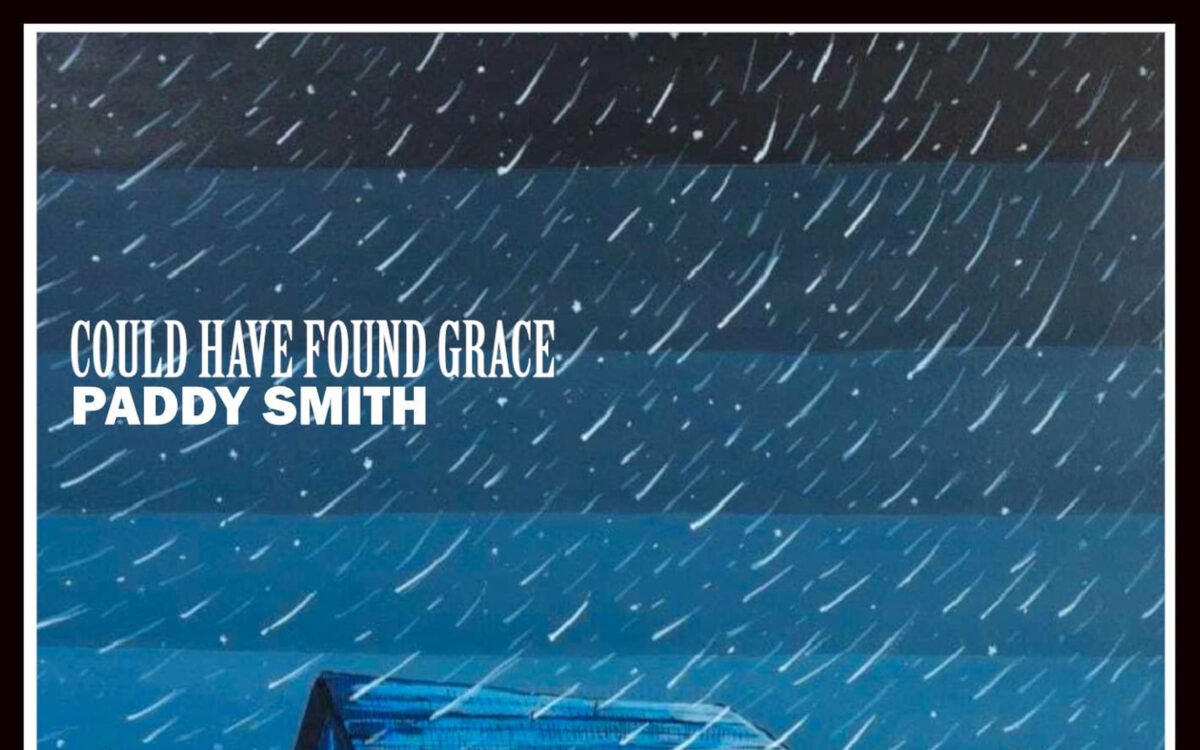
What Grace Means: The Song at the Heart of Paddy Smith’s Album
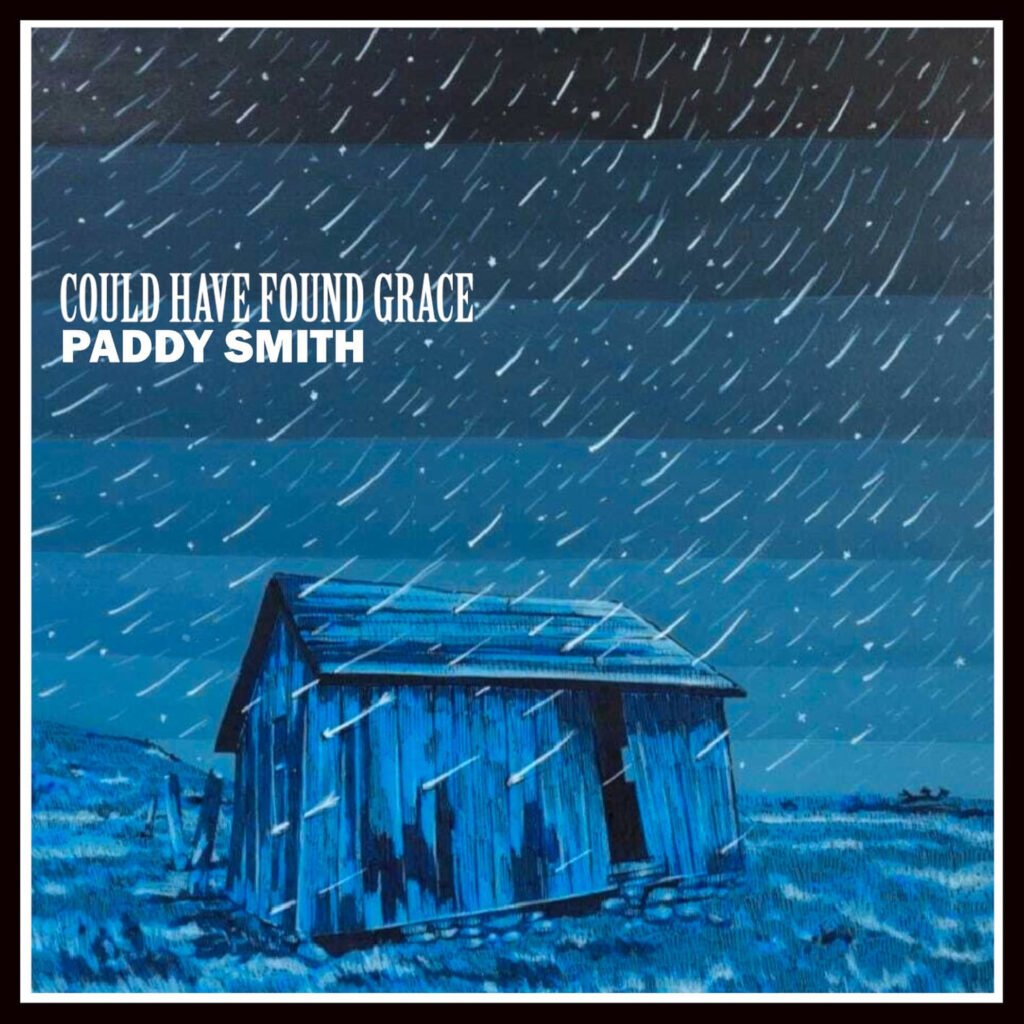
Everything about an album’s title song asks to be taken seriously. It is the one the artist chose to stand for all the others. Paddy Smith called his record Could Have Found Grace, and he placed the song of that name at the very end, the last thing a listener hears. To understand the album, and the man who made it, that is where to look.
Begin with the grammar, because the whole song lives in it. He did not call it Finding Grace, or Found Grace. He chose the conditional, could have, which is the tense of regret. It describes a door that was open once and a man who walked past it. Few titles in the blues say so much in four words. It is not a boast and it is not a plea. It is an accounting.

Grace is a heavy word to put in a song. In the tradition Smith grew up around, it means a gift that cannot be earned, a mercy that arrives whether or not you deserve it. The sorrow in the title is not that grace was withheld from him. It is that it was there all along and he could not see it. The song says as much, laying the blame on his own blindness and no one else’s.
Smith has been open about where that blindness came from. He has spoken of his battle with alcohol and has described the song as looking back on his drinking in what he calls the wild days, at a point when looking back comes a little late. Then he has gone further, and named what lies underneath. “It’s really about the passing of my daughter,” he told the Meath Chronicle. His daughter Ciara died in 2010 of cystic fibrosis. She was seventeen.
Knowing that changes how every line lands. The singer in the song has traveled the world. He sleeps peacefully enough at night. And still he wakes in tears, because peace is the one thing he has never found. It is a portrait of grief as it actually behaves, not as a storm that passes but as something that waits for morning. A man can do everything right for years and still wake to it.
What makes the song remarkable is how it sounds. One might expect a slow lament, a harmonica crying over minor chords. Smith does the opposite. The tune is sweet and it swings. The band moves with an easy lift, and the melody is one you could almost dance to. That is not a contradiction. It is the oldest wisdom the blues has. The music was never meant for wallowing. It exists to carry a weight that would otherwise be too much, and the swing in this song is the sound of a man carrying his.

The placement matters too. The album before it deals in hardship and in resilience, with songs like “Still Standing Tall” planting a flag for survival. A lesser record would have ended there, on defiance. Smith ends instead on honesty. After all the standing tall, he admits what it cost and what he missed. The record does not close with a victory. It closes with the truth, which is harder to write and worth more.
And here is the quiet turn that the title cannot quite conceal. A man who had truly missed grace for good could not have written this song. To look back without excuses, to say plainly what was lost and why, and to set it to a melody that offers comfort to anyone else who wakes the same way, is its own kind of mercy. Paddy Smith sings that he could have found grace. In the singing, it sounds very much as though he has.
Could Have Found Grace is streaming worldwide now via Tribeca Records at found.ee/paddysmith_couldhavefoundgrace-1