

FROM WONDER GAMES TO A GLOBAL STAGE: HOW FENIX360 BUILT A WEEK-LONG CASE FOR “STREAMING REIMAGINED”
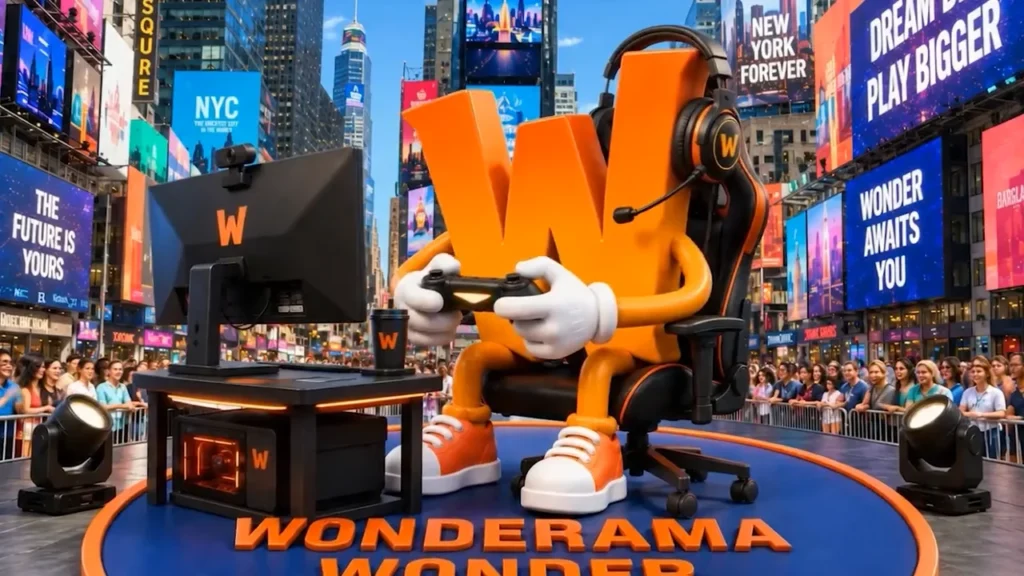
On a Tuesday morning in Times Square, with Broadway’s marquee lights still pale against the daylight, a seventy-year-old name in American children’s television shared a stage with a technology built for an audience that has never known a world without a phone in hand. The inaugural Wonder Games, produced by Wonderama — billed by its producers as the longest-running children’s program in American television history, tracing its lineage back to 1955 — opened not with nostalgia but with a wager: that a franchise built on Sunday-morning variety could still command a room in an age of infinite scroll. It was, as it turned out, only the opening scene of a much longer story.
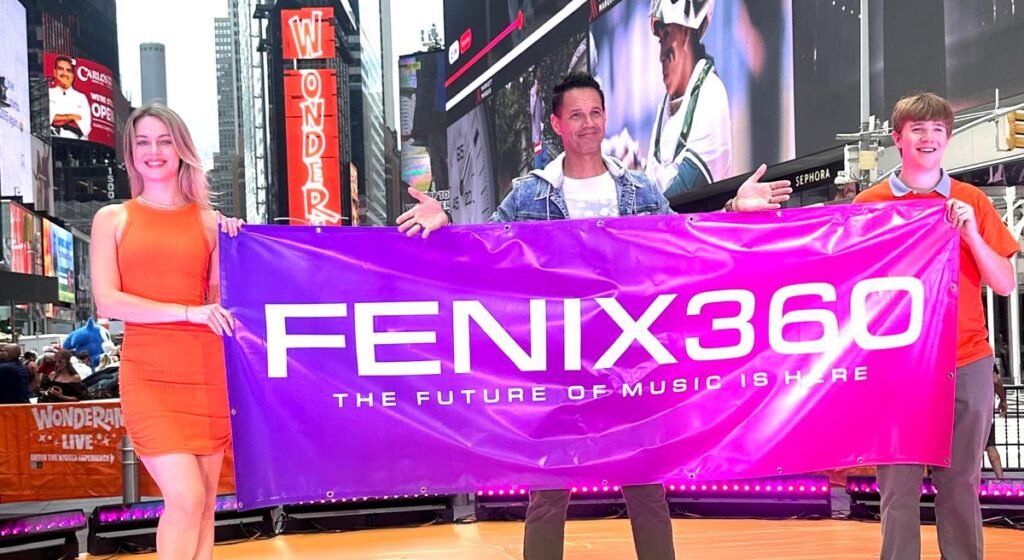
David Osmond hosted the afternoon with Alisa Obrivanova and Chuckie Armstrong, alongside actress and social media creator McKenzi Brooke, guiding a program that stacked live musical performance atop esports exhibitions and creator showcases — a format engineered less like a broadcast and more like a signal flare. Named partner to the event was FENIX360, a Singapore-headquartered platform positioning itself as the artist-first alternative to conventional streaming, which used Wonder Games to open its own global debut week: “Streaming Reimagined.” The pairing was not incidental. Where Wonderama has spent decades teaching generations of American children how to watch television together, FENIX360 is wagering that the next generation of performers — raised inside platforms rather than in front of them — will need a fundamentally different economic architecture to make a living from what they create.
The Times Square afternoon closed on a note that made the scale of FENIX360’s ambitions explicit: a video announcement beamed in live from Mumbai, where the company was making its own international debut at India’s All About Music conference in the very same hour. Alongside the streaming service Gaana, FENIX360 introduced a new in-app artist social feed and a suite of monetization tools — a first look at a direct-to-fan integration set for full rollout in the fourth quarter of 2026, and a partnership that opens the door to an audience of more than forty million monthly listeners across better than twenty regional languages.
By Thursday, August 27, the story had widened into something closer to a chorus. Artists from thirteen countries took part in one of the largest coordinated global showcases yet staged by an emerging creative-tech platform, a broadcast stretching from Mumbai to New York, Los Angeles to Munich, Tokyo to Rome, with additional signal drawn from Melbourne, Singapore, Sweden, Jamaica, Costa Rica, and Zimbabwe. The lineup carried a special video and song release from three-time Grammy-winning composer Ricky Kej, alongside a roster spanning New York (Rob Eberle, Kylie Marshall, Rise, Alexa Kate), London (Sonna Rele, Dean Dyson, Natalie Shay, Euan Williams), Los Angeles (McKenzi Brooke), Sweden (Jasmine Kara), Italy (Linda Gambino), Japan (Jien Takahashi), and Norway (Rocky Kramer) — a map redrawn, for one broadcast window, by sound rather than borders.
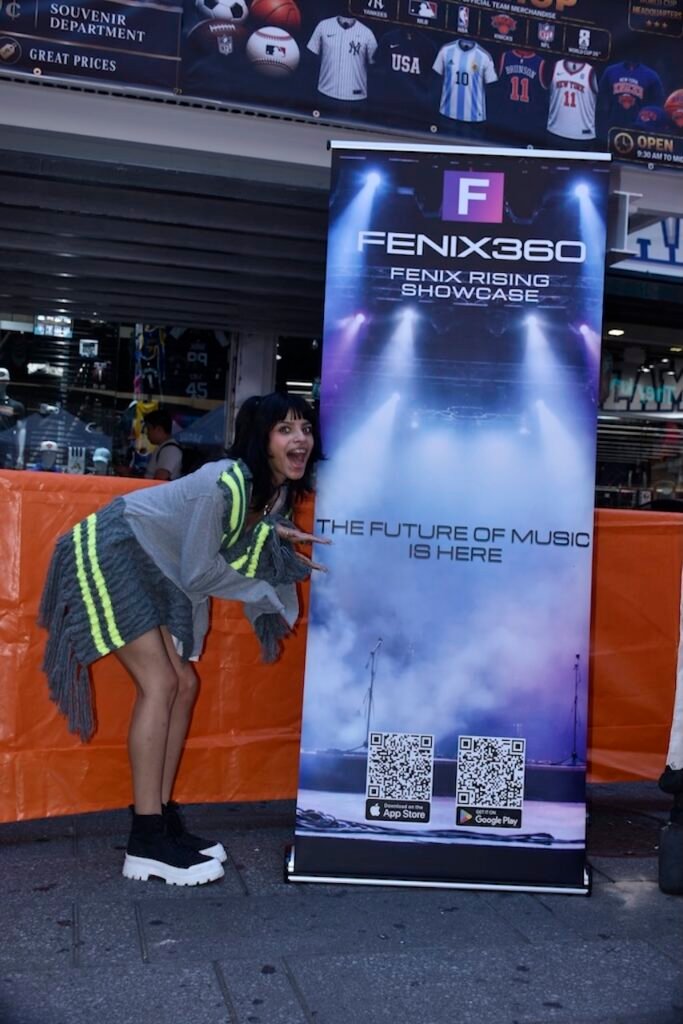
Behind the spectacle sits a blunter argument. FENIX360 says it built its platform because the numbers in the creative economy simply do not work: more than 98% of artists cannot earn a sustainable living from their music, and the dominant streaming platforms pay out as little as $0.003 a stream — roughly $3,000 for a million plays. “Empowering artists with disruptive technology is long overdue,” said Allan Klepfisz, FENIX360’s Founder, Chairman and CEO, who has described the current ecosystem as being “in disarray.” The standalone FENIX360 app is built to answer that math directly, paying artists 70% or more of all revenue, advertising included, across a single integrated suite covering commerce, subscriptions, merchandise, ticketing, and more.
The August 27 broadcast did double duty as a philanthropic vehicle, directing support to Teen Cancer America — founded by Roger Daltrey and Pete Townshend of The Who — alongside Creative Visions and Share and Care. It is a note that runs through the whole week rather than closing it out: on Monday, August 31, FENIX360 is set to introduce the FENIX360 Artist Trust, chaired by international concert promoter Harvey Goldsmith CBE, the force behind Live Aid, with a mandate to give back to artists and support charitable causes.

Taken together, the week reads less like a product launch than an argument staged in public: that a seventy-year-old children’s-television institution and a platform still finding its footing can share a stage because each, in its own way, is betting that an audience — whether gathered on a Sunday morning or scattered across thirteen time zones — still wants to be brought together in one place at one time, and that the economics artists have lived with for a generation were never as inevitable as the industry made them seem.


