
What to Know About the Mitford Sisters Before Watching OUTRAGEOUS
[ad_1]
David Freeman-Mitford, 2nd Baron Redesdale, married Sydney Bowles in 1904. Sydney’s father was Thomas Gibson Bowles, who also founded the magazine Vanity Fair (an early British version of the magazine that published from 1868 to 1914), and then a women’s magazine called The Lady (published from 1885 to 2025). David and Sydney had seven children: Nancy, Pamela, Thomas, Diana, Unity, Jessica, and Deborah. Thomas died in 1945, but even before his death, the six Mitford sisters were everyone’s main point of interest.
Ben Macintyre wrote about his encounters with the sisters and gave them distinctive epithets: “Diana the Fascist, Jessica the Communist, Unity the Hitler-lover; Nancy the Novelist; Deborah the Duchess and Pamela the unobtrusive poultry connoisseur.”
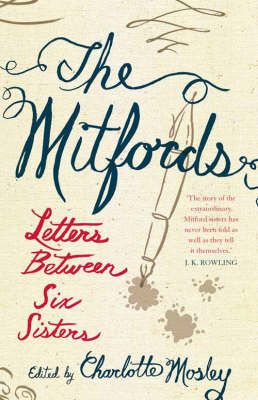
Though Nancy was the writer and published novels and biographies, we know so much about the sisters because of their consistent letter-writing (as well as their station in the gossip columns). Charlotte Mosley, Diana’s daughter-in-law, edited together their correspondence in the book The Mitfords: Letters Between Six Sisters. Another reason libraries are extremely important—someone thought to maintain the archive of the Mitford sisters, so we get an unfiltered view into the lives of the British upper-class women in the interwar period.
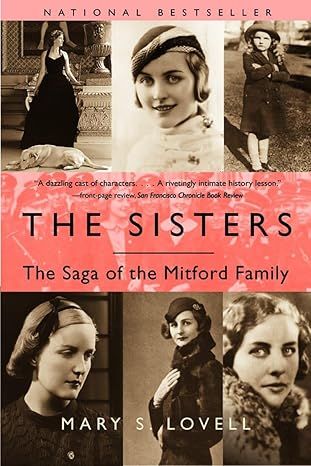
The television show Outrageous takes place in the 1930s, the heyday of the sisters as gossip mainstays, and is based on the book The Sisters: The Saga of the Mitford Family by Mary S. Lovell. The high-class sisters diverged sharply in their political views. Nancy’s satirical novel Wigs on the Green deeply offended Diana and Unity because it took aim at British fascism. Diana had married the leader of the British fascist party, and Unity was so supportive of Adolf Hitler that she shot herself in the head (and survived, though later died because of complications) when Britain declared war on Germany.
Pamela married and divorced a bisexual billionaire, then lived the rest of her life with an Italian woman—her sisters were split on Pam’s sexual identity. Jessica was a self-identified communist and her first husband was a staunch anti-fascist, leading to friction with her sisters. Nancy, the eldest, and Deborah, the youngest, were both writers, and Deborah trended left politically as well. Nancy married in 1933, but during the Second World War, she started a long-term relationship with an officer in the French resistance.
Nancy is probably the most famous and accomplished, and in the show, she’s played by Bessie Carter (who also plays Prudence Featherington on Bridgerton). The other sisters are played by Isobel Jesper Jones (Pamela), Joanna Vanderham (Diana), Shannon Watson (Unity), Zoe Brough (Jessica), and Orla Hill (Deborah). The Mitford sisters were in a unique position because they lacked the legal ability to maintain their independence, yet fought to forge their own paths in a turbulent world. They also got swept up in radical political movements, both rightward and leftward, possibly because of their disenchantment with the crumbling aristocracy. Diana’s continued support for fascism and Holocaust denialism in her writing after the war was particularly horrific.
As you can watch in the show, the sisters supported each other emotionally, if not intellectually. Though reality shows are wild and outrageous today, they had nothing on the socialite drama of the Mitford sisters.
The show has all the mainstays of beloved British mini-series: enviable historical costumes, memorable British character actors, and multiple romantic entanglements. If you’ve ever argued with your sister, Outrageous is for you.
[ad_2]
Original Source