14 queer women who made Oscars history
Queer women have been the backbone of some of the best films of the past century. To mark International Women’s Day on 8 March, and the 2026 Academy Awards on 15 March, here’s a look back at 14 times queer women made history at the ceremony.
The Oscars has a chequered history when it comes to LGBTQ+ representation, which reflects the film industry as a whole and its historic rejection of LGBTQ+ artists.
Throughout the 20th century and well into the 21st century, actors who have been open about their sexuality have been blacklisted, pigeonholed, and discriminated against.
That’s changing, but not fast enough. Some actors still believe that queer film stars are on the back foot. No out LGBTQ+ actors or actresses have one in the Best Actor or Best Actress category this century. The fact that LGBTQ+ history was still being made at the last Oscars ceremony? A cause for celebration, but also questions: why has it taken this long?
Queer women deserve to be recognised for the ways they have shaped the film industry over the past few decades. In acting categories, sure, but also in the writing, producing, animating and composition that goes into great movie magic. Here are 14 times that LGBTQ+ women have made history at the Academy Awards.
Marlene Dietrich (1931)
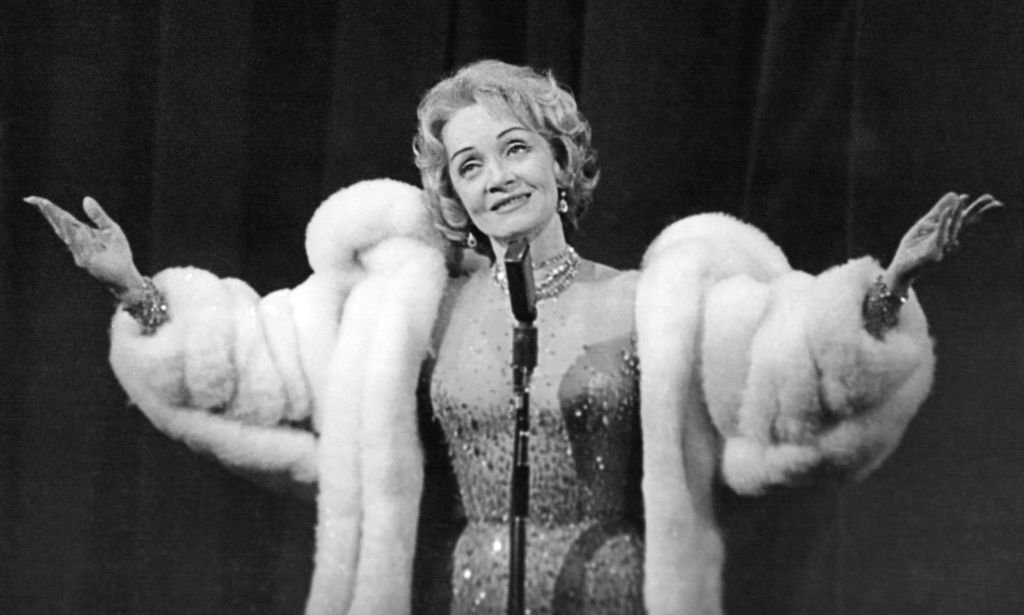
Hollywood’s original LGBTQ+ icon, German actress Marelen Dietrich became the first out queer woman nominated in the Best Actress category at the Academy Awards back in 1931 for Morocco. She made history twice with her role in the film, in which she played Mademoiselle Amy Jolly, a queer character who delivered one of the first recorded sapphic kisses in a major film. Not only was Dietrich the first LGBTQ+ woman (she was bisexual) to get a nod at the Oscars, Mademoiselle Amy Jolly was the first LGBTQ+ character to be recognised as such by the Academy.
Ethel Waters (1949)
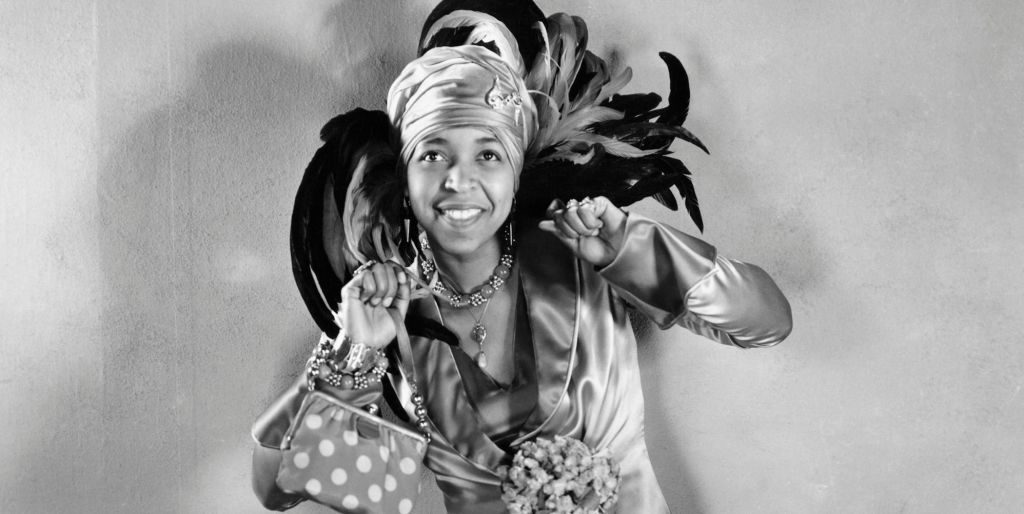
While Blues singer and actress Ethel Waters never spoke publicly about her sexuality while she was alive, she is believed to have been in a relationship with another Ethel, Ethel Williams, in the 1920s (she later married three men, and is noted by the National Museum of African American History and Culture as being bisexual).
She played Dicey Johnson in 1949 drama Pinky, for which she was nominated for the Best Supporting Actress. She became the first LGBTQ+ woman to be nominated in the category, and the second African American performer to be nominated for any Oscar.
She died in 1977, aged 80, from complications related to uterine cancer and kidney failure.
Angela Morley (1975/1978)
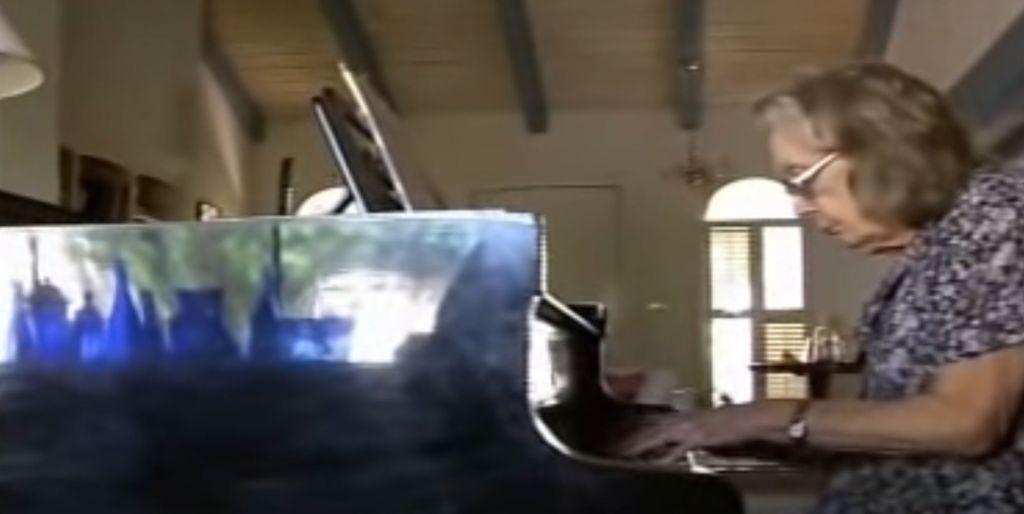
Angela Morley became the first out trans person to ever be nominated for an Oscar, way back in 1975. She was nominated in the Academy Award for Best Original Score category, for Gene Wilder’s musical film The Little Prince. She later repeated the feat in 1978, this time for musical The Slipper and the Rose. She may have lost out on both awards, but she cemented her name in the annals of LGBTQ+ history. Plus, she’s the only out trans person to ever receive more than one Oscar nod.
Jodie Foster (1989/1992)
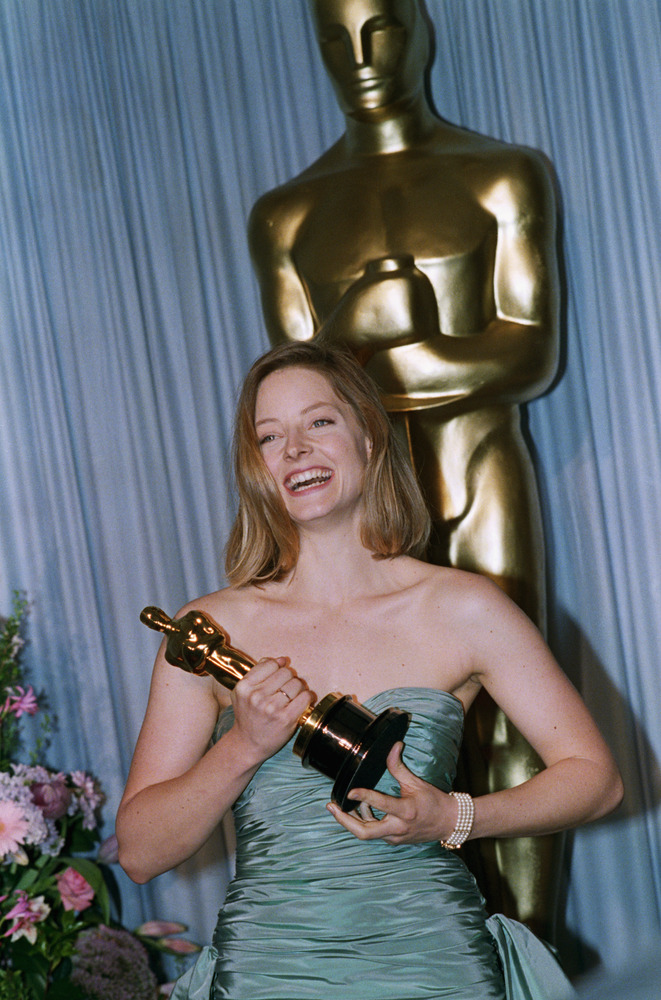
Jodie Foster was just 14-years-old when she bagged her first Oscar nomination in the Best Supporting Actress category for Taxi Driver. Yet it was in 1989, for legal drama The Accused, that she first won, this time in the Best Actress category. Though she didn’t come out as LGBTQ+ until the 2000s, the win made Foster the first LGBTQ+ actress to win Best Actress. She followed the win up with a second in 1992, for controversial horror film The Silence of the Lambs, making her the first – and, currently, only – queer woman to win two Best Actress gongs at the Oscars.
Melissa Etheridge (2007)
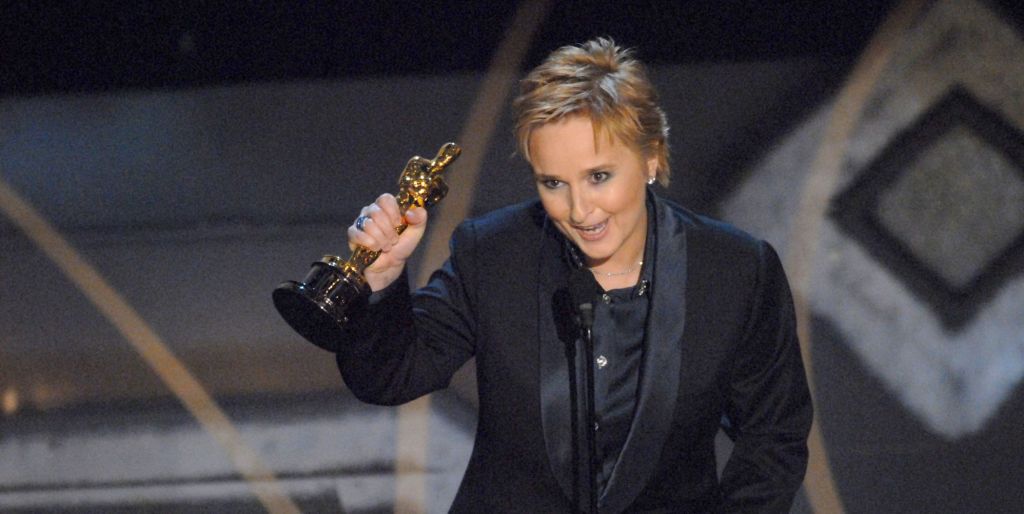
At the 2007 Academy Awards, 14 years after rock singer Melissa Etheridge came out publicly as a lesbian, she won the Best Original Song accolade for her song “I Need to Wake Up”, which soundtracked the global warming documentary An Inconvenient Truth. In doing so, she became the first out lesbian woman to win in the prestigious category. Lady Gaga and Billie Eilish would go on to follow in her footsteps as queer women to win the award.
Darla K. Anderson (2011/2018)
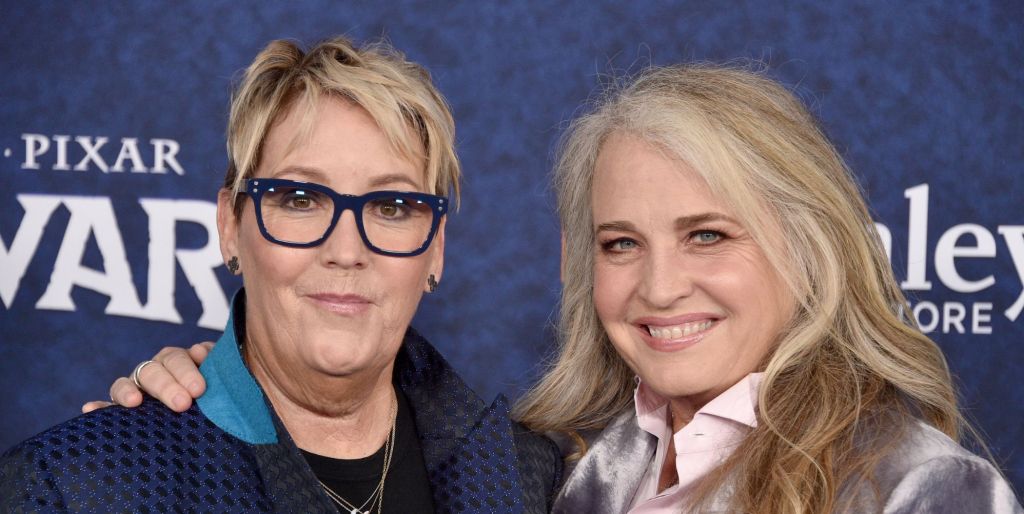
Animated movie producer and Pixar legend Darla K. Anderson became the first LGBTQ+ woman to win an Oscar in the Best Animated Feature category. In collaboration with bisexual film editor Lee Unkrich, Anderson won in the category in 2011 for Toy Story 3, and 2017 for Coco. She remains the only queer woman to have won in the category, and one of two queer women to be nominated: the other is Kori Rae, Anderson’s wife.
Anderson parted ways with Pixar in 2018 after 25 years working with the studio.
ANOHNI (2016)
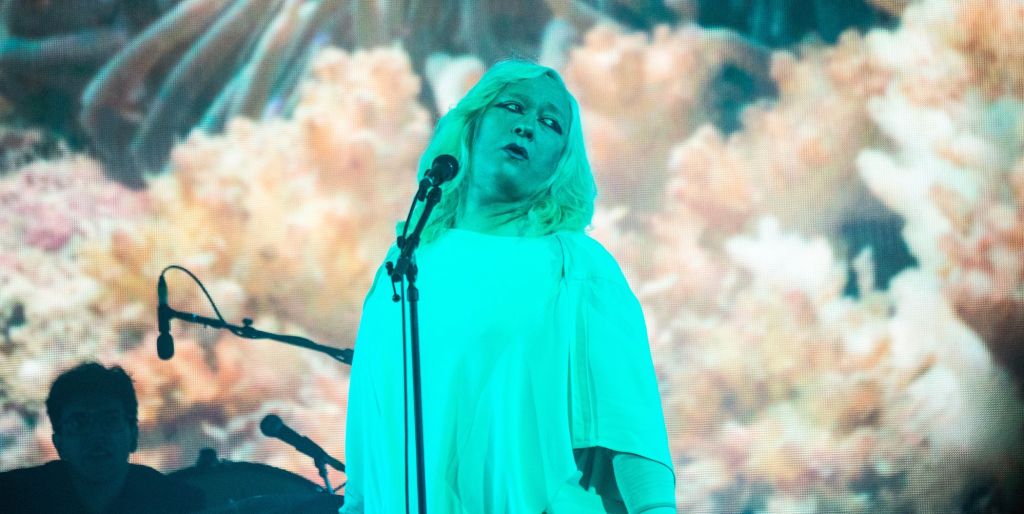
With her 2015 track “Manta Ray”, musician ANOHNI became the first trans person to be nominated in the Best Original Song category. The song featured in the 2015 climate crisis documentary Racing Extinction, but lost at the 2016 Academy Awards to “Writing’s on the Wall” by Sam Smith, who was not out as non-binary publicly at the time.
Despite making history, ANOHNI publicly boycotted the 88th Academy Awards, stating that she had not been invited by the event’s organisers to perform the song. In a statement on her website at the time, obtained via Rolling Stone, the singer said she considered heading to nominee events around the ceremony but “feelings of embarrassment and anger knocked [her] back” and she didn’t attend.
“There I was, feeling a sting of shame that reminded me of America’s earliest affirmations of my inadequacy as a transperson. I turned around at the airport and went back home.”
Dee Rees (2018)
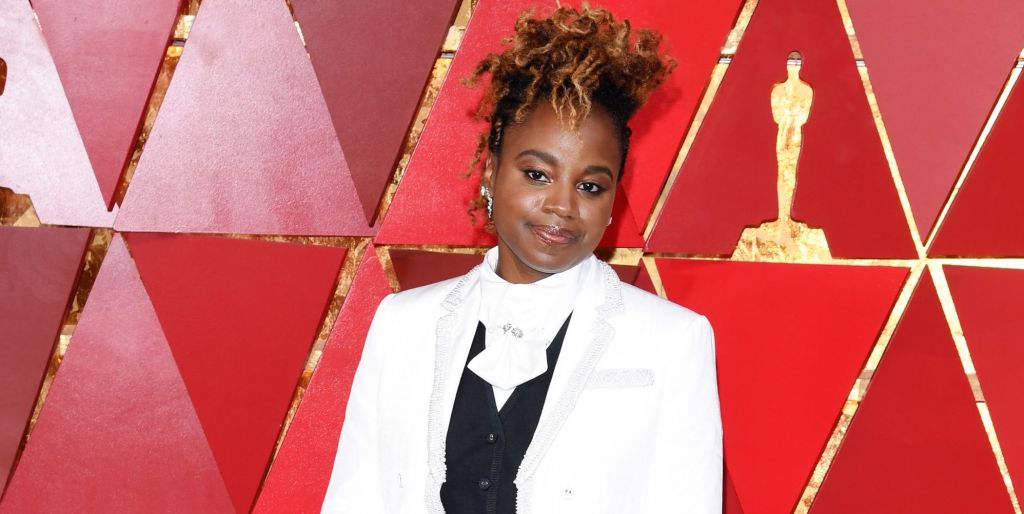
It’s sad that it took until 2018 for a queer Black woman to be nominated in a writing category at the Oscars, and even sadder that no queer Black woman has won in such a category yet. Screenwriter and director Dee Rees got the closest to managing the feat, after her 2017 historical drama Mudbound was nominated in the Best Adapted Screenplay category. It lost to queer film adaptation Call Me by Your Name, which was written by gay screenwriter James Ivory.
Rachel Morrison (2018)
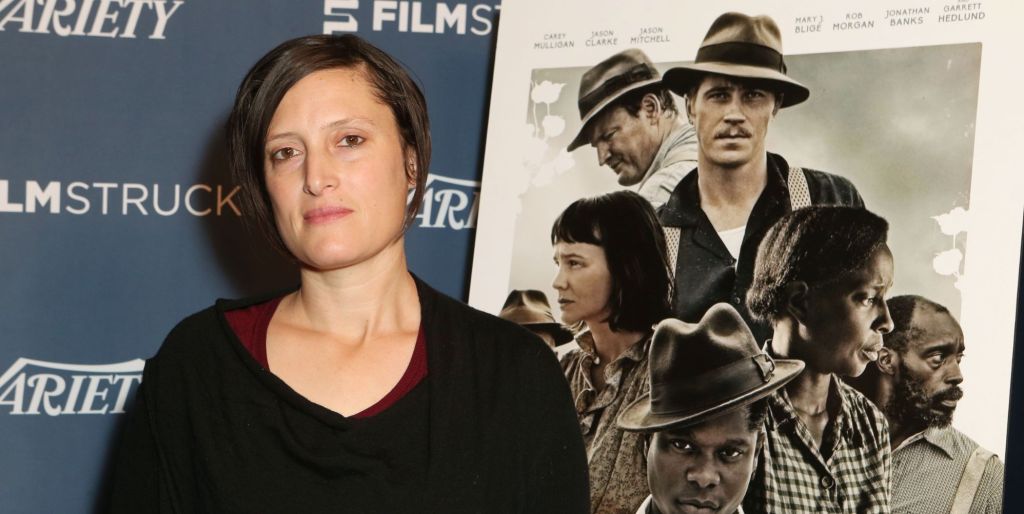
Dee Rees’s Mudbound may have lost all of the four Oscars it was nominated for, but at least it made history several times over. In addition to Rees becoming the first queer Black woman nominated in the Best Adapted Screenplay category, Rachel Morrison became not only the first queer woman, but also the first overall woman to be nominated in the Best Cinematography category.
Cynthia Erivo (2019/2025)
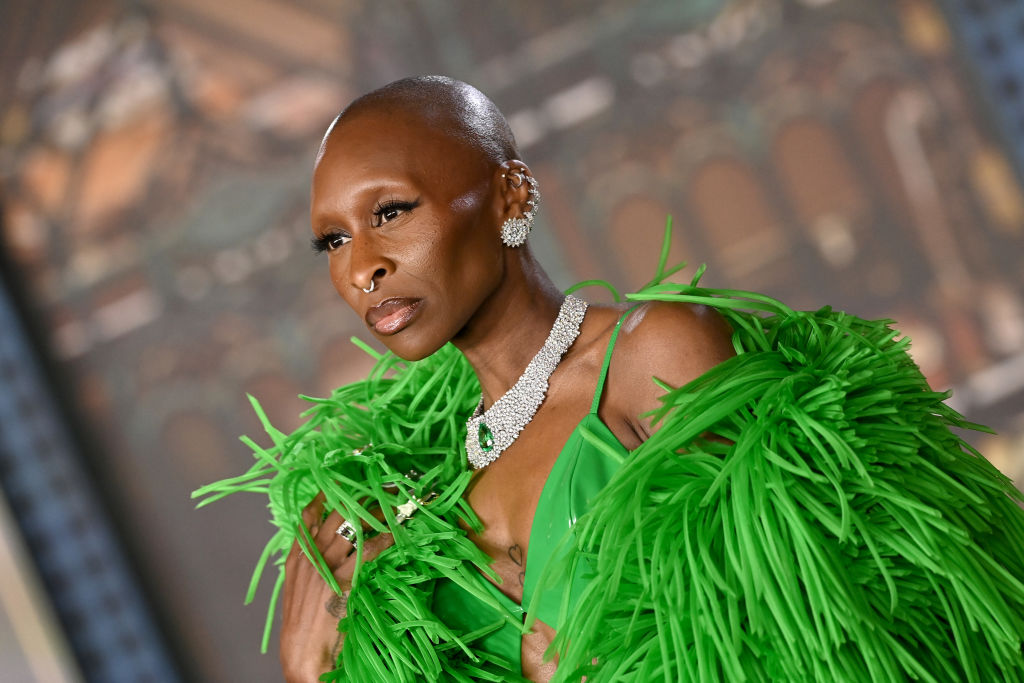
There’s a reason Cynthia Erivo is just one award away from EGOT status. As her Oscars track record indicates, she’s one of Hollywood’s most impressive multihyphenates. Ironically though, it’s just an Oscar the 39-year-old needs in order to complete her EGOT endeavour.
She’s come close several times. In 2019, she became the first queer Black woman to be nominated in the Best Original Song category, with her track “Stand Up” from Harriet (she lost to Elton John). That same year, she was nominated in the Best Actress category for her lead role in the Harriet Tubman biopic, becoming the first Black performer to bag both acting and songwriting nods for the same film. She is also the first Black, queer actress to be nominated for multiple acting Oscars.
Billie Eilish (2021/2024)
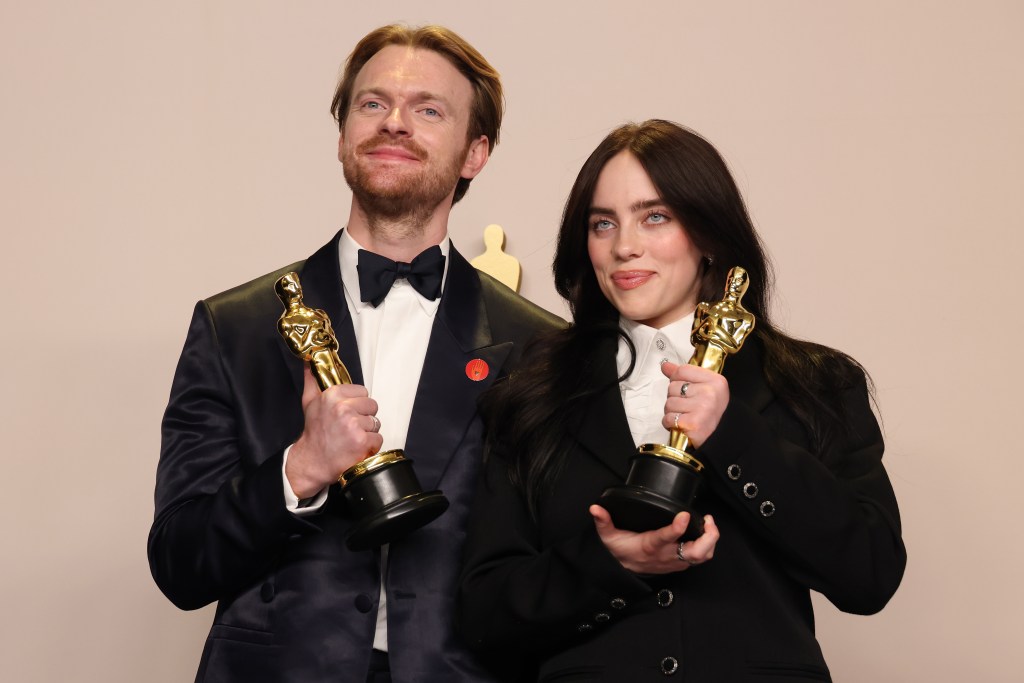
“Lunch” singer Billie Eilish holds multiple Oscars records, which is no mean for any performer, let alone one who is just 24-years-old. On that, two of her records are age-related: in 2021, she won her first Oscar in the Best Original Song category for “No Time To Die”, the theme song from the James Bond film of the same name. She was just 19-years-old at the time, becoming the first person born in the 21st century to win an Oscar. After winning in the same category for “What Was I Made For?” from the Barbie movie when she was 22, she became the youngest winner of two Oscars. She is also the only queer woman to have won the Best Original Song accolade twice.
Ariana DeBose (2022)
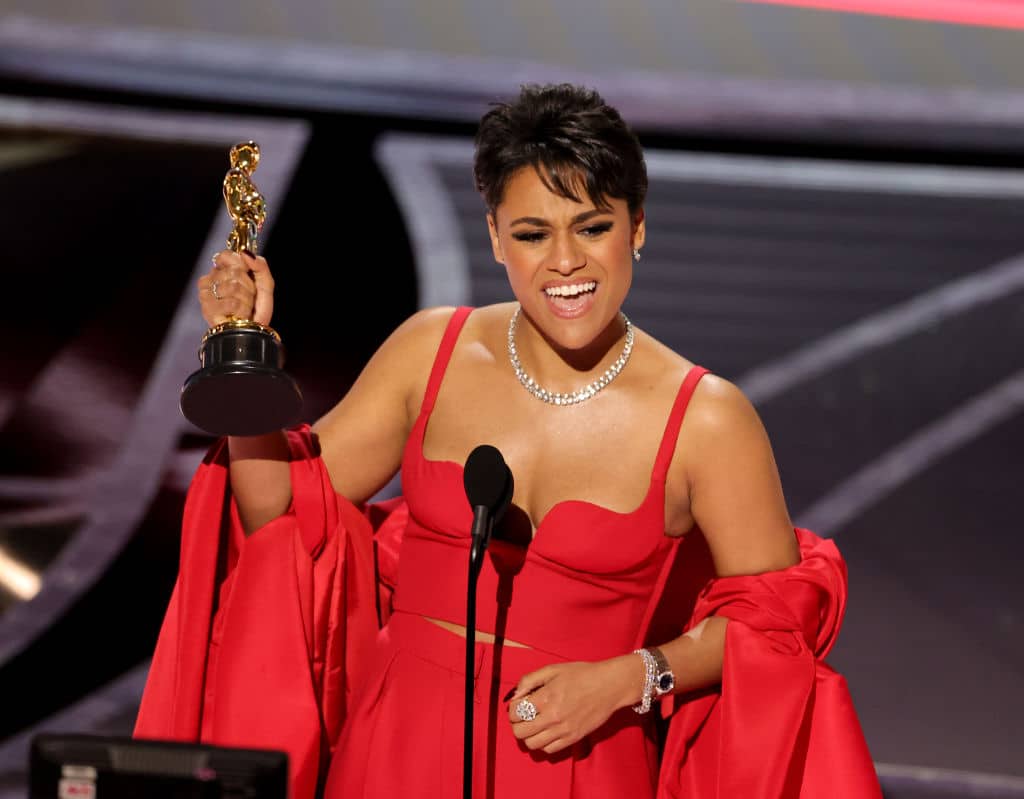
In 2022, Ariana DeBose won the Best Supporting Actress accolade for her role in Steven Spielberg’s adaptation of the 1957 stage musical. She played Anita, the strong-willed mentor to Rachel Zegler’s María, and was widely praised as one of the film’s highlights. In winning the accolade, she became the first queer woman of colour to win an acting Oscar.
“To anybody who has ever questioned your identity, ever, ever, ever, or you find yourself living in the gray spaces, I promise you this: There is indeed a place for us,” she said in her rousing acceptance speech.
Lily Gladstone (2024)
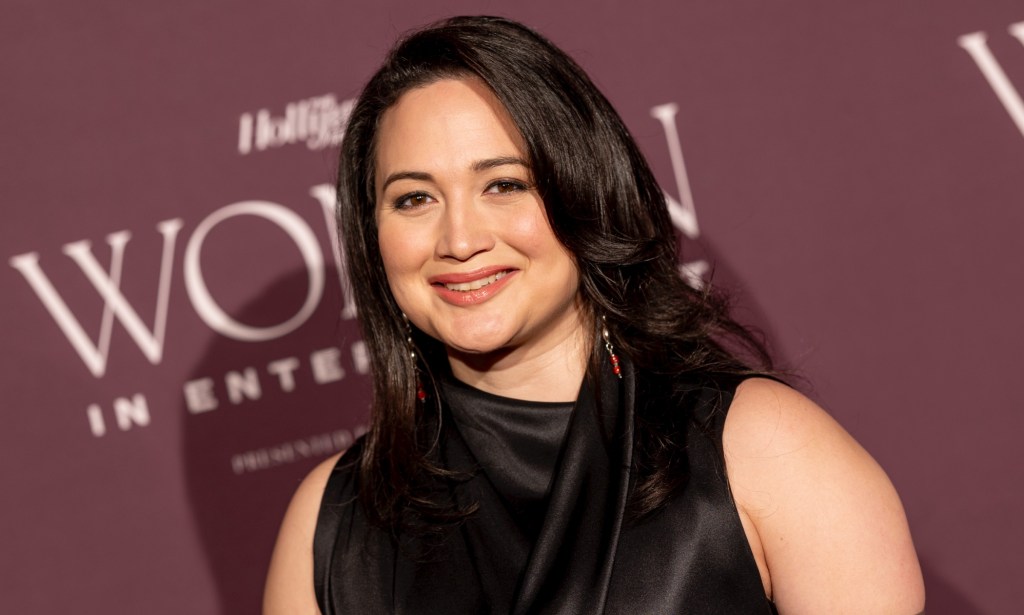
Lily Gladstone became the first Indigenous American and gender-diverse actress to be nominated for an acting Oscar in 2024, with their role in the ten-time Oscar-nominated crime drama Killers of the Flower Moon. Gladstone, who describes herself as queer, “middle-gendered” and uses both she and they pronouns, lost out to Poor Things star Emma Stone, but the nomination itself mattered enough.
“I always say this, but it’s not fully mine. It belongs to so many people: the Osage Nation, the Blackfeet Nation, the Nez Perce Nation, every Indigenous actor whose shoulders I stand on,” they told Entertainment Weekly.
“It’s circumstantial that I’m the first, and I’m so very grateful. I just know that I’m not going to be the last, not by a long shot.
Karla Sofía Gascón (2025)
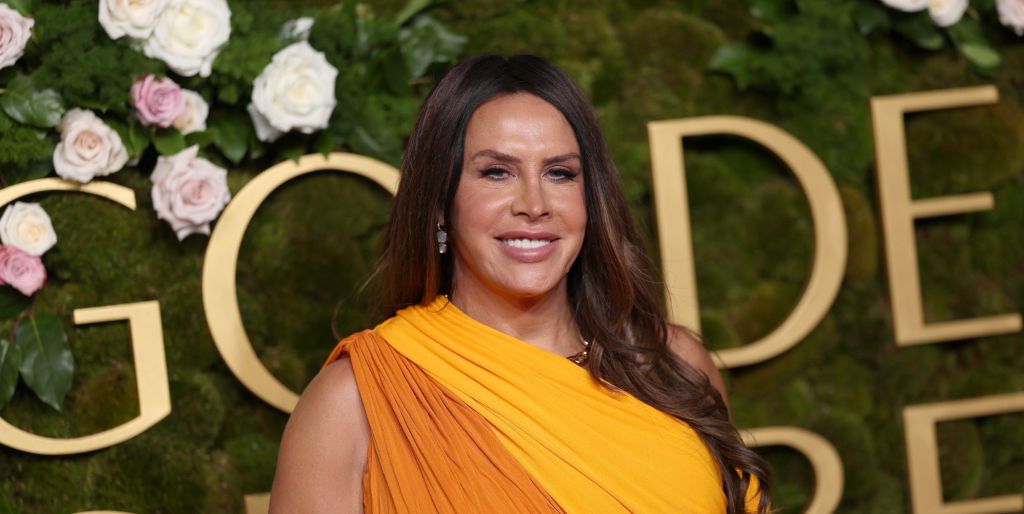
Did the most historic Oscars feat for the trans community end up as a complete and utter s*** show due to the resurfacing of a slew of bigoted social media posts by actress Karla Sofía Gascón? Yes, absolutely yes. Yet it can’t be erased that Gascón being nominated in the Best Actress category – albeit for the woefully problematic Emilia Pérez – is an important moment in the history of LGBTQ+ representation at the Academy Awards. Gascón lost the Oscar, for many reasons, but her nomination hopefully opened the doors on other trans actresses achieving similar success.
Share your thoughts! Let us know in the comments below, and remember to keep the conversation respectful.