State ACLU, on Behalf of Authors and Students, Sues Utah Over Book Bans
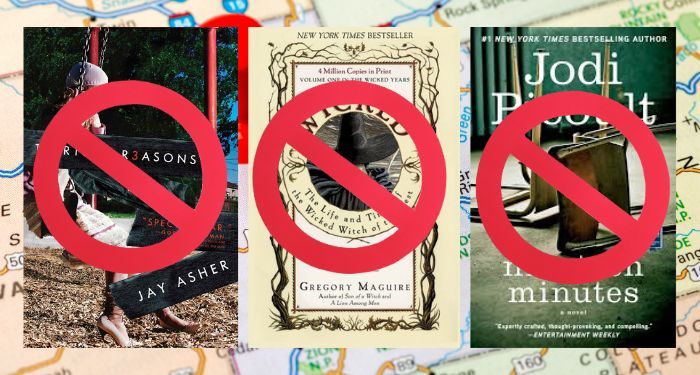
Yesterday, the state of Utah banned three books for all public school students, bringing the total number of books banned in the state to 22. Today, the American Civil Liberties Union of Utah filed a lawsuit against the state on behalf of the Estate of Kurt Vonnegut, award-winning authors Elana K. Arnold, Ellen Hopkins, and Amy Reed, and two anonymous Utah public high school students.
The lawsuit claims that by disregarding the literary value of age-appropriate literature and banning it, the state has denied citizens their First Amendment rights.
“The right to read and the right to free speech are inseparable. The First Amendment protects our freedom to read, learn, and share ideas free from unconstitutional censorship,” said Tom Ford, Staff Attorney at the ACLU of Utah, in a press release. “This law censors constitutionally protected books, silences authors, and denies students access to ideas, in violation of the First Amendment rights of students and authors alike, and must be struck down.”
Utah passed one of the strictest bills related to books in public schools in 2024. House Bill 29 (HB 29) allows parents to challenge books they deem “sensitive material,” and it also outright bans books from all public schools in the state if those books have been deemed “objective sensitive material” or “pornographic” per state code in at least three public school districts or two public school districts and five charter schools statewide. The bill went into effect on July 1, 2024, and it started with 13 titles on it. The list now has 22 titles.
The bill is retroactive, meaning that titles that met the state’s guidelines before the bill’s start date were included on the list. Per HB 29, whenever a public or charter school removes a book deemed “sensitive material,” it must notify the State Board of Education. If that book meets the threshold of removals, all schools are advised and expected to dispose of it.
Literary Activism
News you can use plus tips and tools for the fight against censorship and other bookish activism!
“For many Utah students, the first place we recognize our own lives and identities is in a library book. When those books disappear, students notice immediately. It sends a clear message about whose stories matter and whose do not,” said one of the student plaintiffs in a press release. “Book bans do more harm than simply removing stories. Empty shelves cost us understanding and connection, turning schools from places of learning into systems of control. Censorship does not just make ideas disappear, but also makes schools more confusing and dangerous because of its chilling effect on our right to learn.”
The full complaint brought against the state of Utah can be read here. This is a case to watch closely. It will have significant implications not only in Utah but also in South Carolina, Florida, and other states where government officials have been removing books from their users and not-so-slowly chipping away at the rights of the American people.